


MPR Drug and Medical Guide
4.3358.00 Reviews
App Specs
- Version
- 7.12.2.2914
- Updated On
- License
- Free
- Downloads
- 100,000+
- Developer
- Haymarket Media
- Categories
- Medical
- Platform
- Android
Screenshots
 Analysis by AppCompare
When I’m deciding whether a medical reference app belongs on my phone, I look for a clear purpose: can it help me find medication information quickly, and does it suit the way I actually make decisions? MPR Drug and Medical Guide is aimed at both healthcare professionals and people who want a reference for medication questions. I see its strongest role as a convenient companion for looking things up, not as a replacement for a prescriber, pharmacist, or urgent medical advice.
What I would check before relying on it
With any drug guide, speed matters, but so does knowing what a result can and cannot tell you. A listing or interaction result can help me prepare a better question; it does not account for every detail of a person’s health, treatment plan, or circumstances. I would use the app to support a conversation with a qualified professional rather than to start, stop, or change a medicine on my own.
The practical test is whether the information I need is easy to locate at the moment I need it. A searchable reference is most useful when I already have a drug name, a question about a possible interaction, or a calculation to check. If I am trying to diagnose a symptom or decide what treatment is appropriate, a general medical reference is not the right first stop.
Where this guide can earn a place
A realistic use is preparing for a medication review. I might check the names of medicines in a family member’s list, note a question about a possible interaction, and take that question to a pharmacist rather than guessing. For a healthcare worker, the same kind of quick lookup may be useful between tasks, provided the app is being used as a reference and not treated as the final authority for a patient-specific decision.
Its drug interaction checker is a particularly practical part of that workflow: it gives a user a reason to pause and verify a combination instead of relying on memory. I would still bring the complete medication list, including non-prescription products, to a clinician or pharmacist, since a quick check is only as useful as the details entered and the context considered.
The medical calculators and pill identifier may also serve different needs. A professional can use calculators as a convenient support for routine work, while a person who finds an unfamiliar pill can use identification as a starting point for verification. For an unknown tablet, I would not take it based on a visual match alone; packaging, imprint details, and professional confirmation matter.
How it compares with other ways to look things up
Compared with a broad web search, a medication-focused guide can make it easier to keep a lookup centered on drug details instead of sorting through unrelated pages. A web search may be more useful when I need several viewpoints or current public-health guidance, but it can also make it harder to judge which source applies. I prefer using a focused reference to frame the question, then checking consequential decisions with a professional.
Worth Reading Before You Choose

Flipboard Shows What News Apps Must Do Beyond the Feed

Switching to Android Auto Means Rethinking Your Driving Routine

Google Calendar Makes a Crowded Week Easier to Manage

Ludo King Makes the Most of the Minutes Between Plans

Baby Panda World Brings Quick Play to Modern Phones, but Its Game Library Feels Busy

ESPN’s Live Game View Makes Following Close Games Easier
Compared with a pharmacy or health-system app, MPR’s appeal is its reference role rather than a direct connection to a particular care relationship. If I need help with a prescription I am currently taking, my pharmacy or clinician is usually the better place to resolve a personal question. If I need a general medication lookup or a supporting tool, a reference app is a more natural fit.
Paper references and professional databases can suit people who need a particular workflow or authoritative institutional process. A phone app is easier to carry and consult in the moment, but convenience should not be mistaken for completeness. I would choose the tool based on the decision: quick orientation favors a mobile reference; patient-specific advice favors a clinician or pharmacist.
Everyday use, privacy, and practical limits
For a household, one useful habit is to keep an accurate medication list separately and use the app to prepare questions about it. That avoids trying to remember names under pressure. Before a visit, I would write down the medicine, the concern, and when it arose, then use the appointment to confirm what action, if any, is appropriate. The guide can make that conversation more focused without turning a search result into a self-treatment plan.
I would also be deliberate about entering personal health details into any medical app. A drug reference can be useful without becoming the sole home for sensitive records; a person who prefers not to put health information on a phone can use it for general lookups and keep their medication list elsewhere. That is a sensible trade-off, especially when the phone is shared or used by several family members.
One limitation of relying on any compact reference is that short answers can feel more definitive than they are. A medication’s suitability can depend on factors that a quick search does not capture, so I would treat the result as a prompt to check, not a personal clearance. Likewise, a pill identifier is not a safe way to decide whether an unknown medicine is yours or whether it is safe to use.
Who should choose it—and who should not
I can see this being a good fit for healthcare professionals who want a portable medication reference, as well as informed everyday users who regularly have questions about medicines and are comfortable checking those questions with a professional. The app is free to download, though in-app purchases are listed at $34.99 to $69.99 per item, so I would check the purchase details in the app before paying for anything and decide whether the additional value suits my needs.
Someone who only needs occasional, personal prescription advice may be better served by calling a pharmacist or using their healthcare provider’s tools. Someone seeking diagnosis, emergency guidance, or a definitive answer about a specific treatment should not rely on a drug guide alone. That distinction is not a flaw unique to MPR; it is simply the boundary between reference information and care tailored to an individual.
The product is published by Haymarket Media and sits in the medical category. It has a 4.3 average from around 1.4 thousand ratings, with more than 100 thousand installs. It is rated for everyone, and its current version is 7.12.2.2914; the app requires Android 8.0 or later. Those details make it approachable for a broad audience, though the right audience is still anyone who understands that medical references support, rather than replace, professional judgment.
Your Handy Medical Companion
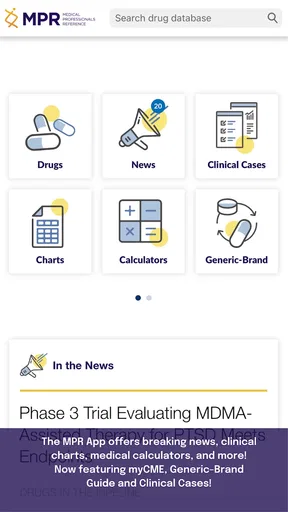
I first stumbled upon the MPR Drug and Medical Guide while searching for a reliable source of drug information. The app is available on both Android and iOS, making it accessible to nearly everyone. It’s designed to provide healthcare professionals and everyday users with detailed information about a plethora of medications. The app's interface is clean and straightforward, which is a blessing when you’re in a hurry.
Features That Stand Out
The app offers an impressive database of drug information, complete with dosage recommendations, side effects, contraindications, and much more. One feature I particularly love is the drug interaction checker. It's incredibly handy for ensuring that the meds you’re taking won’t clash with one another. This feature alone gives me peace of mind.
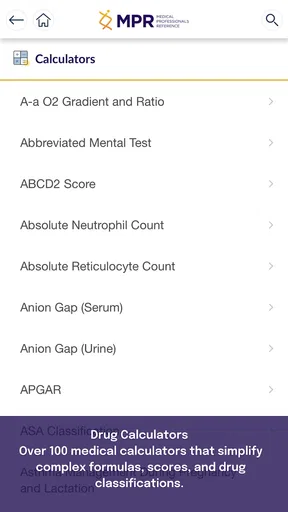
Another cool aspect is the medical calculators. These are perfect for healthcare professionals who need to make quick calculations on the go. Plus, the app includes a pill identifier. Just input the pill’s shape, color, and imprint, and voila – you’ll know exactly what it is. This is super useful for those little mystery pills that sometimes show up in the bottom of your bag.
Ease of Use
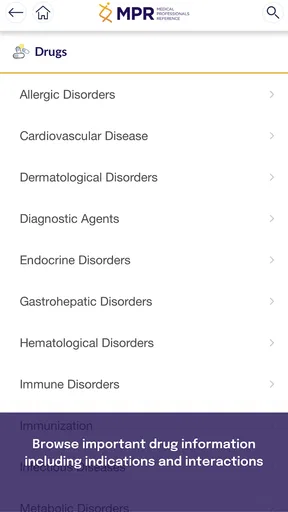
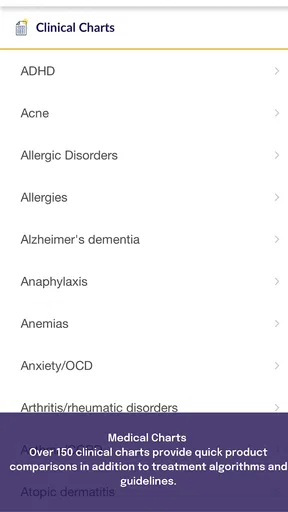
Now, let’s talk about usability. Navigating the app is a breeze. The search function is robust, allowing you to find information quickly. The app is organized into categories, so you can easily browse through sections based on what you’re looking for. The font is clear, and the layout is intuitive. Even if you’re not tech-savvy, you’ll find this app easy to use.
An Asset for Healthcare Professionals
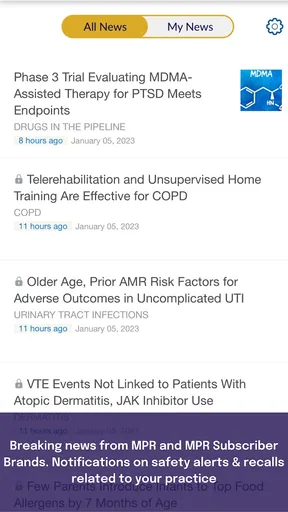
For anyone working in healthcare, this app is like having a trusty assistant. It supports you in making informed decisions and ensures you have the latest information at your fingertips. The regular updates are a huge plus, keeping you in the loop with the latest medical guidelines and drug releases.
Why You Should Try It
If you’re someone who often deals with medications, whether you’re a professional or not, this app is invaluable. It saves time, reduces anxiety about drug interactions, and ensures you have the most current info whenever you need it. Plus, it’s free! Who doesn’t love a great free app?
In conclusion, the MPR Drug and Medical Guide is a fantastic resource. It’s user-friendly, packed with features, and perfect for anyone who wants to have reliable medical information readily available. Whether you’re a busy healthcare professional or just someone who wants to stay informed, I highly recommend giving this app a try. You won’t regret it!
Pros
- Comprehensive drug information database.
- User-friendly interface with easy navigation.
- Regular updates ensure accurate data.
- Offline access available for convenience.
- Includes pill identifier and interaction checker.
Cons
- Limited features in the free version.
- No support for dark mode display.
- Requires registration for full access.
- Occasional ads can disrupt experience.
- Some features need internet connection.
FAQs for MPR Drug and Medical Guide
What is the primary function of the MPR Drug and Medical Guide app?
The MPR Drug and Medical Guide app serves as a comprehensive resource for healthcare professionals, offering detailed information on medications, including dosages, interactions, and side effects. It is designed to facilitate quick access to drug data, enabling informed decision-making in clinical settings.
Is the MPR Drug and Medical Guide app accessible offline?
Yes, the app offers offline access to a wealth of drug information and medical resources. This feature is particularly useful for healthcare professionals who need reliable data in areas with limited internet connectivity, ensuring uninterrupted service in critical situations.
Does the app include features for personalizing user experience?
The MPR Drug and Medical Guide app allows users to customize their experience by creating personalized drug lists and bookmarks. This enables quick access to frequently used medications and resources, streamlining workflow and enhancing efficiency for medical professionals.
Are updates to drug information and guidelines available regularly?
The app provides regular updates to ensure that users have access to the latest drug information and medical guidelines. This is crucial for maintaining accuracy and compliance with current standards in medical practice, allowing healthcare professionals to rely on up-to-date data.
Is the MPR Drug and Medical Guide app free to use?
The app offers a free version with essential features, but for more comprehensive access, including advanced tools and extensive drug databases, a subscription may be required. This tiered approach allows users to choose a plan that best suits their needs and budget.


